
<img alt="" src="https://secure.doll8tune.com/223485.png" style="display:none;">

Articles

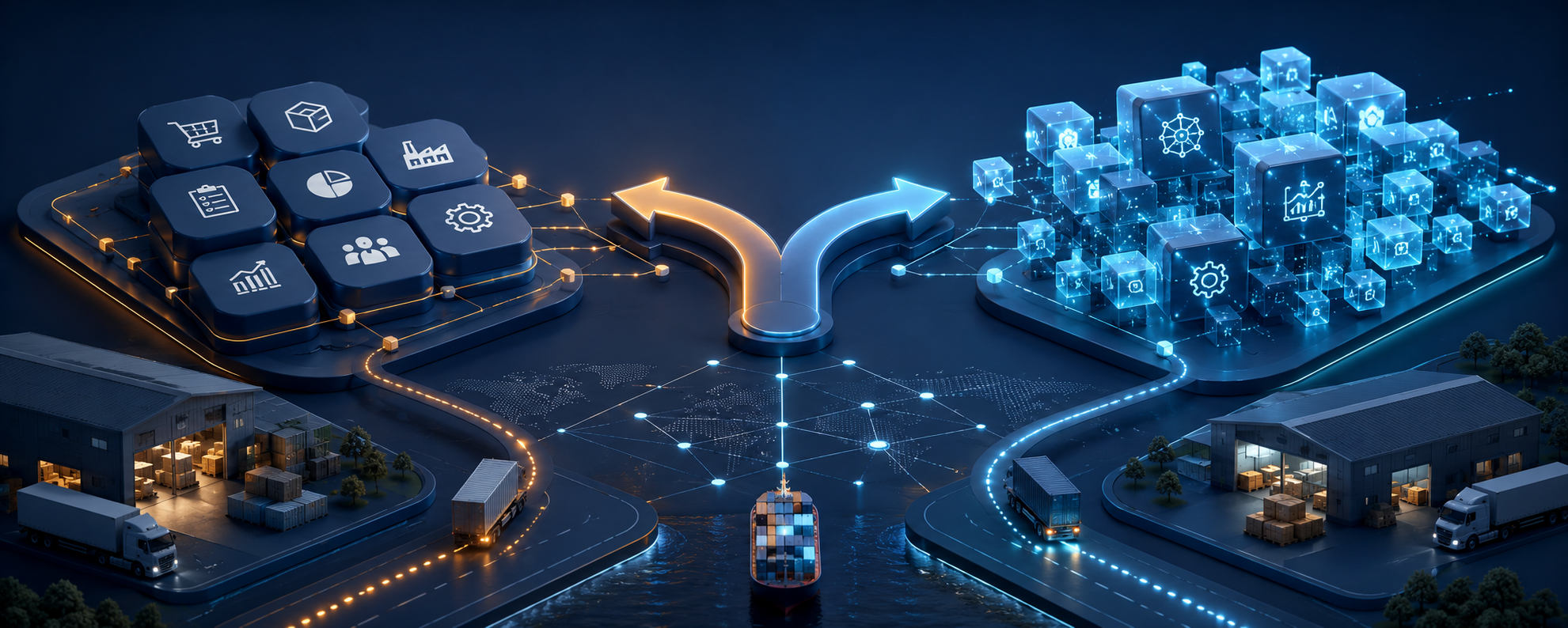
Buy or Build? The Supply Chain Manager’s Guide in the Age of AI-Coded Apps


For companies looking to expand their supply chain software, the rise of AI-coded apps has shifted the old buy-versus-build trade-off. Historically, “build” was simply not a realistic option for most small and medium-sized companies: custom software meant a development team, a long project, and a maintenance burden that only large organisations...

Veco Precision strengthens supply chain resilience with the Master Class Resilience


Veco is a world-leading manufacturer of micro- precision parts. It serves the world’s leading innovative, hi-tech companies from industries that demand high quality and precision. To meet customers’ specifications and demands, Veco has developed high standards of performance in Electroforming. This technology allows a powerful combination of...

Vibe-Coded Supply Chain Apps: Opportunity or Risk?


Whereas in the past the technical barriers to building new business software were high, recent developments in AI have now reduced these barriers enormously. AI writes, refactors and tests code at speed. A simple, fully custom-built application can now be built from scratch in weeks, not months or years, and at a fraction of the cost.

If you want a resilient supply chain, you need to think in terms of scenarios


As uncertainty in the global economy increases, there is renewed focus on resilience. During Supply Chain Media’s Webinar Wednesday, Alfons Willemsen and Menno Rustenburg from Involvation explain how to create a resilient and robust supply chain. IBP, including scenario planning, plays a key role in this. ‘‘We now have the tools to continuously...

Involvation presents vision & approach on Network Design and Resilience


In our view, network design and resilience are increasingly converging. We believe that the traditional network design approach - typically conducted as a project once every five years - needs to evolve into a continuous process. Involvation will present this vision and approach at the first European Supply Chain Summit organized by Optilogic in...

Better Decision-Making in Pharmaceutical Supply Chains Starts with Better Training


In pharmaceutical supply chains, the instinct to look for the 'right solution' is deeply ingrained. When shortages occur, costs rise or service levels drop, organizations often respond by launching improvement initiatives, implementing new systems or redesigning processes. While this solution-driven mindset feels productive and reassuring, it can...

Navigating the Pharmaceutical Maze with Supply Chain training programs


Pharmaceutical supply chains face a unique set of challenges: balancing increasing shelf life requirements, navigating complex global networks and ensuring continuous product availability. These challenges highlight the importance of effective planning, precise coordination and seamless collaboration across all parts of the value chain and...

Diagnosing Your Supply Chain Training For Tailored Treatment


Have you ever wondered why many supply chain training programs do not deliver tangible business results? The answer lies in the lack of tailoring the training specifically to your organization’s unique objectives, challenges and industry realities. Much like specialty pharmaceuticals designed for precise medical diagnoses, your supply chain...

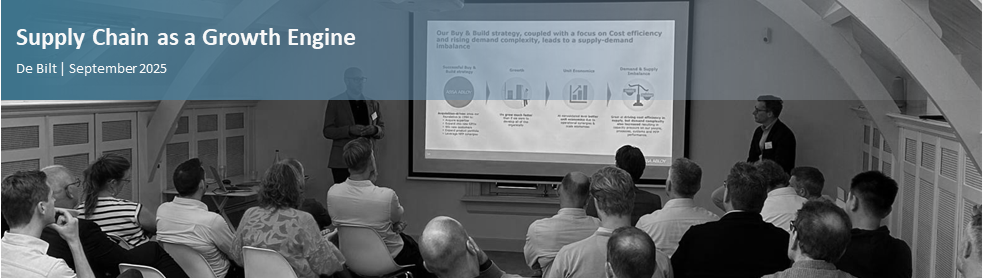
Supply Chain as a Growth Engine


How Can Supply Chain Drive Rapid Revenue Growth? At the invitation of Involvation, growth champions Rituals and Assa Abloy shared their perspectives on this question during the Involvation event “Supply Chain as a Growth Engine.” Rituals has laid the foundation for its future with a new data platform, while Assa Abloy has shifted its focus from...

Serialization Applied To Your Supply Chain Training Programs


Imagine harnessing the power of pharmaceutical supply chain serialization—unique identifiers tracking products end-to-end to prevent falsification and to provide optimal visibility and efficiency—and applying it directly to your supply chain training programs.